Become an Apple Subscriber or Patron to listen.
In February 2014, 26-year-old Loretta Saunders was a student at St. Mary’s University (SMU) in Halifax, Nova Scotia, Canada where she was studying criminology & in the process of writing an honors thesis on Missing & Murdered Indigenous Women in Canada. Loretta herself was an indigenous woman who was Inuit & in a heartbreaking coincidence, she would later become one of the very women she was fighting to protect.
Inuit are indigenous people traditionally living in the Arctic regions of Greenland, Canada, Alaska & Russia. According to the 2021 census, there were 70,545 Inuit living in Canada. Canadian Inuit are young with a median age of only 23.
According to a July 2017 article, Indigenous women represent 10% of the total population of missing women in Canada. As of 2014 when Loretta was murdered, the rate of homicide of Indigenous women was nearly six times higher than non-Indigenous women with half of these murders committed by a family member. Indigenous women are four times more likely than non-Indigenous women to be victims of violence & twice as likely to experience violence from their current or former partner.
Because there are gaps in data, the violence against these women & girls are underestimated & limit what is known about this issue. Because Indigenous women are at greater risk of having their children placed in state care, they are less likely to engage with authorities, thus violence against these women is generally under-reported.
Social surveys often rely on the collection of data by phone or online & those who have less access to technology or are working irregular hours may be harder to reach. Canada’s largest national surveys on victimization do not collect information on reserves which reduces the ability to understand how Indigenous women experience violent victimization.
Loretta Sanders was a beautiful young woman who was known for her warmth, determination & courage. In February 2014, when she left to run a quick errand, she sadly never came home. At the time, she was living with her long-term partner while she sublet her own apartment to help cover her school expenses. The last time she was seen, she had been heading over to her apartment to collect the rent that yet again was overdue from her tenants. She indicated that if they couldn’t pay this time, they would have to be evicted.
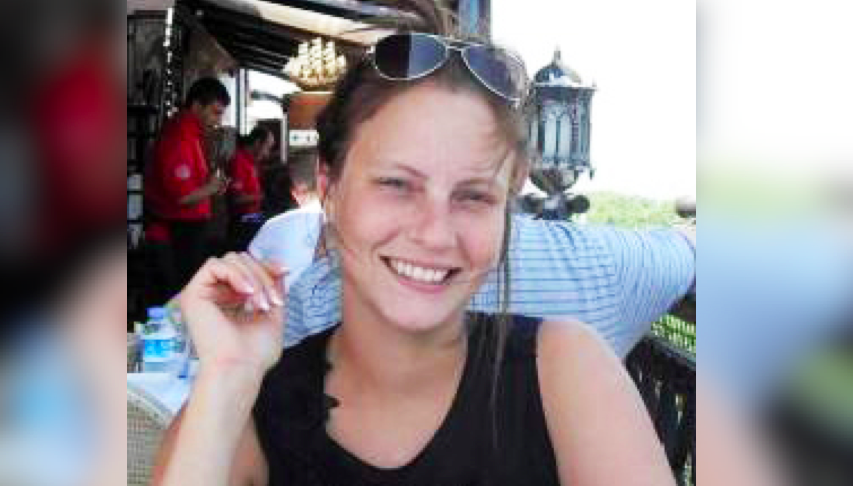
Loretta was born on August 25, 1987 in Happy Valley-Goose Bay, a town in the province of Newfoundland & Labrador, Canada. She grew up as one of eight children in a close-knit family & she was known for her intelligence & all-around beautiful soul.
Loretta faced her share of struggles as a teen & ended up dropping out of high school when she was in ninth grade. At the time, she relocated to Montreal, a 20 hour drive southwest of Happy Valley-Goose Bay. Here, things got very difficult as Loretta battled addiction & faced homelessness.
Thankfully, she managed to seek help through substance abuse treatment programs & worked tirelessly to turn her life around. From here, she moved back home to finish her education & looked forward to a much brighter future.
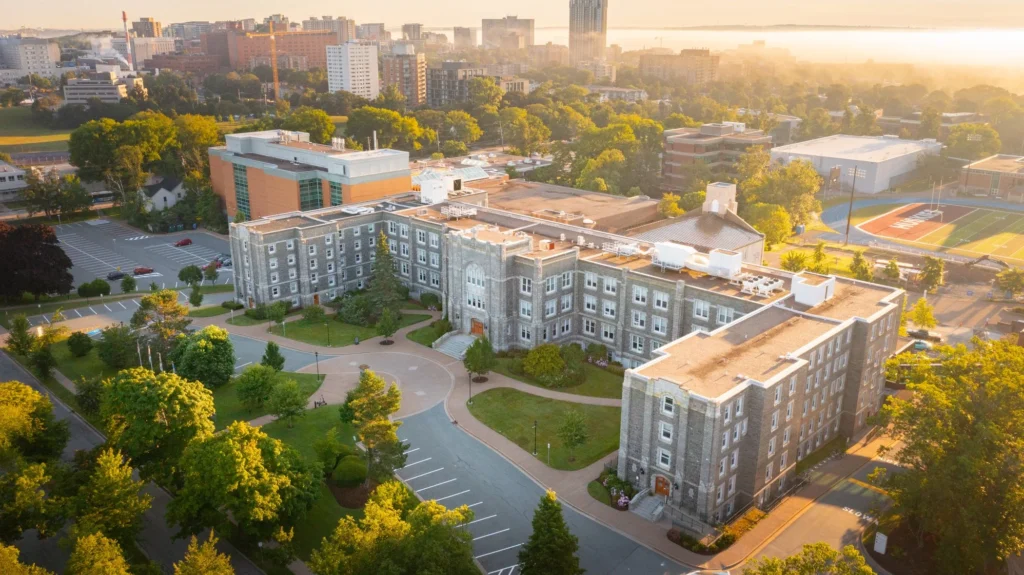
At 26-years-old, Loretta was living far from her family while she studied sociology & criminology at St. Mary’s in Halifax, the capital & most populated municipality of Canada’s province of Nova Scotia. Halifax is a nearly 23 hour drive from where her family lived. Being a proud Inuk woman, she was passionate about advocating for missing & murdered Indigenous women & girls & was in the process of writing a thesis on this topic.
By 2014 Loretta & her boyfriend, Yalcin Surkultay, had been together for about 2 ½ years & they had only just realized that they were expecting a child, something they were thrilled about. According to Yalcin, Loretta was one of the most hardworking people he had ever met & she was extremely passionate about school. She hoped to one day attend law school & he felt that her work ethic was truly mind blowing.
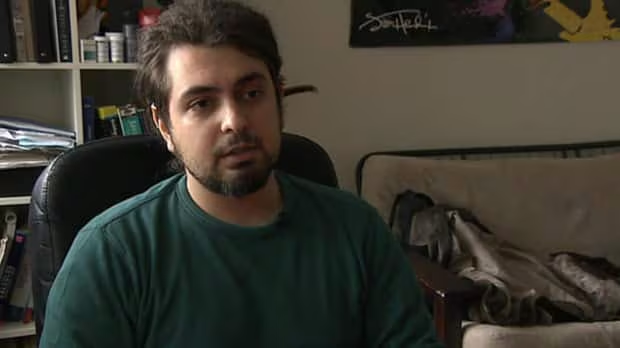
Loretta was someone who truly hoped to make a difference in the world & she was driven by a strong sense of purpose. Because she was a busy student, she was trying to make ends meet until she was able to graduate & start her career. She decided that she could save money if she moved in with Yalcin & sublet her apartment so she posted an ad on a popular Canadian site known as Kijiji, similar to Craigslist.
Very quickly, Loretta got a response from a couple, 25-year-old Blake Leggette & 28-year-old Victoria Henneberry, who agreed to move in & split the $430/month rent. However, it was quickly clear that they were struggling financially & oftentimes late with their rent payments. Loretta was growing increasingly frustrated since she herself was a struggling student who was always responsible for paying her own rent. She was finding herself in a highly uncomfortable position, continuously needing to hound the couple for their payment as each month rolled around.
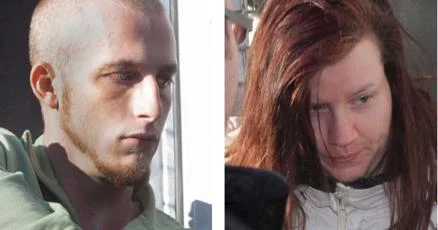
Initially, Loretta was patient, but as the excuses continued & the payments were late time & time again, she began growing weary. By February 2014, she seemed to be nearing her breaking point.
On Thursday, February 13, 2014, Loretta was once again trying to collect the rent money from Blake & Victoria & since the payment was nearly two weeks late, she made the decision that if they couldn’t come up with the money, she would have to evict them.
Loretta left the home she shared with Yalcin & headed out in her blue Toyota Celica, driving in the direction of her old apartment on Cowie Hill Road. When she arrived at the apartment, she realized that neither Blake nor Victoria were home. According to her brother, Edmund Saunders, Loretta called the couple & told them that she was done & they would have to move out. This was sadly the last time anyone heard from her.
After she failed to return home, security footage was reviewed from Yalcin’s building. Loretta could be seen leaving in her car & it did not appear that anyone was following her. This was the last known footage of her alive.
Yalcin didn’t see or hear from Loretta the rest of the Thursday, which was unusual. The following day, Valentine’s Day, Friday, February 14, he received an odd text message from her phone that read, I’m so stressed that I can’t even remember my own mother’s maiden name.
Yalcin was immediately concerned by how strange this message was as regardless of how stressed or tired his girlfriend was, she would never forget her own mother’s maiden name. He also couldn’t understand why she would have suddenly been so stressed. Loretta’s phone also briefly connected with her sister, Delilah, at 1 pm that Friday. Delilah, like Yalcin, was immediately concerned as the call was unusually short & didn’t sound right.
By Monday, February 17, when no one had seen nor heard from Loretta, her family reported her missing. Her family & friends started fundraising efforts to help Loretta’s family make the long journey from Newfoundland to Nova Scotia so they could be there to assist in her search.
Loretta’s sister, Delilah, who lived on the opposite side of the country in British Columbia, traveled to Halifax on Tuesday, February 18 to help with the search. She took charge of social media coverage using the hashtag #FindLoretta & she encouraged as many people as possible to share her sister’s story. Posters were hung around the city in hopes that someone might recognize her & come forward with information to help find her.
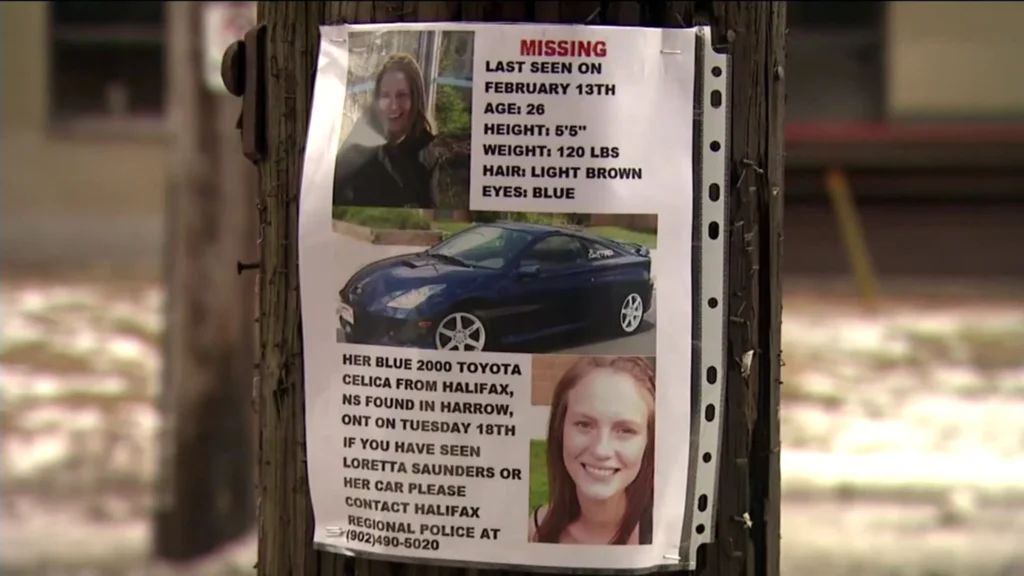
According to Loretta’s mother, Miriam, because her naturally fair-skinned, brunette daughter had her hair dyed blond at the time she went missing, they ended up experiencing what she referred to as white-passing privilege. When the investigation initially began, Miriam would call authorities for updates & be immediately put through to an investigator. However, once it became public that Loretta was Inuk, this all changed. Her calls were no longer connected to the investigator & she was passed off to who she referred to as middlemen, people who didn’t have the information that she so desperately needed.
Loretta’s family sadly felt that because of who their daughter was, they had to fight that much harder. The Saunders family wanted nothing more than to find her safe. One day after she was reported missing, on Tuesday, February 18, police located her Toyota Celica near Windsor, Ontario which is on the Michigan border on the other side of the Detroit River, a distance of 2,170 km (1,348 miles) from Halifax (20 ½ hour drive).
Investigators soon learned that the car was parked outside of a house where Loretta’s tenants, Blake & Victoria, were staying. Investigators knew that when Loretta was last seen, she was on her way to her apartment with the mission of either collecting her rent money or evicting them.
When they gained access to the house, they found Loretta’s ID, bank card as well as her cell phone inside. Blake & Victoria were immediately arrested on charges of possession of stolen goods & fraud. Now investigators were tasked with finding Loretta.
During their interviews it became very clear that this was no longer a missing persons case, but a homicide investigation.
Tragically, it was thirteen days after Loretta left to get her rent check from Blake & Victoria when her body was found at about 4:30 pm on February 26. Her remains were located in the wide median of the four-lane Route 2 of the Trans-Canada Highway, just west of Salisbury, New Brunswick, 290 km (180 miles) northwest of Halifax. When Blake & Victoria made their way from Halifax to Windsor, Ontario, they would have driven along the Trans-Canada Highway.
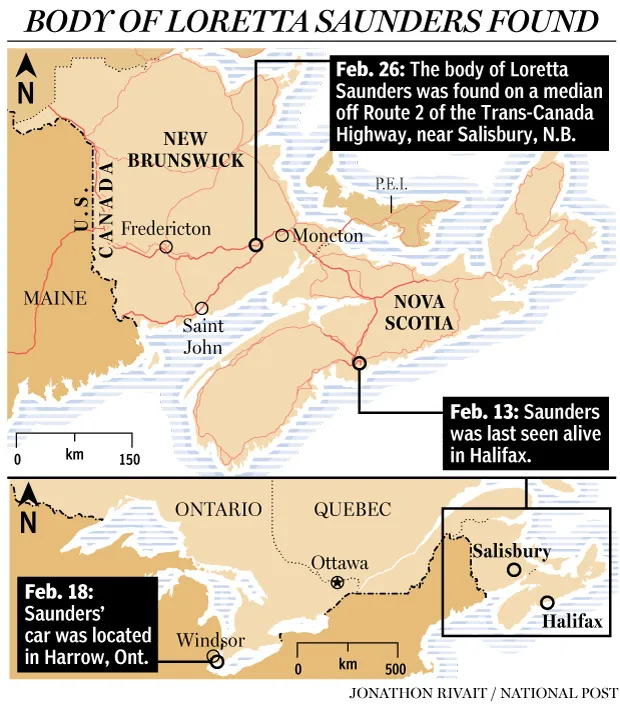
Since Loretta went missing in the frigid month of February, a time when snow quickly accumulates, her body had been completely covered in snow. Investigators found her remains inside a hockey bag that had been dumped on the side of the road on their way to Ontario. They were able to locate her remains based on the statements Blake & Victoria each made while they were in custody.
According to Victoria Henneberry, at about 11 am on Thursday, February 13, 2014, Loretta arrived at the apartment she shared with Blake in order to collect the month’s rent that was already nearly two weeks overdue. As she sat on the couch in the living room waiting for the check, the couple did not have the money to pay her. Victoria indicated that she was aware that Blake planned to kill Loretta so Victoria lied & told Loretta that she lost her bank card & needed to call the bank as a way to bide time & keep her there.
Victoria indicated that while Loretta sat on the couch, Blake came up behind her, grabbed her by the throat & began choking her. During their struggle, they ended up on the floor in the adjacent dining room while Blake tried to suffocate her with a plastic bag that Loretta managed to tear. He placed three different plastic bags over her head, but she managed to tear through each.
After Blake smashed Loretta’s head onto the floor twice, she suddenly stopped moving & he wrapped her head in saran wrap. He placed her body in a hockey bag that belonged to Victoria & began tidying up the apartment. When the couple left to return a computer to a store for cash, they left Loretta’s body inside the apartment. When they returned, Blake carried the hockey bag that contained Loretta’s body onto the elevator, out the front door & into the trunk of Loretta’s car. They packed some belongings & left Halifax, stopping along the way for food & various supplies, all the while utilizing Loretta’s bank card.
Not only did they lie to the police about Loretta’s whereabouts as they drove, but they also utilized her cell phone to text Yalcin, pretending to be her. As they reached Salisbury, they stopped along the highway & left the hockey bag that contained her body in an area with trees along the median. At this point in time, it was snowing & the bag would soon be concealed. From there, they continued on toward Ontario where they planned to stay with a friend until they were arrested on February 18. The statement that Blake provided to investigators matched that of Victoria’s.
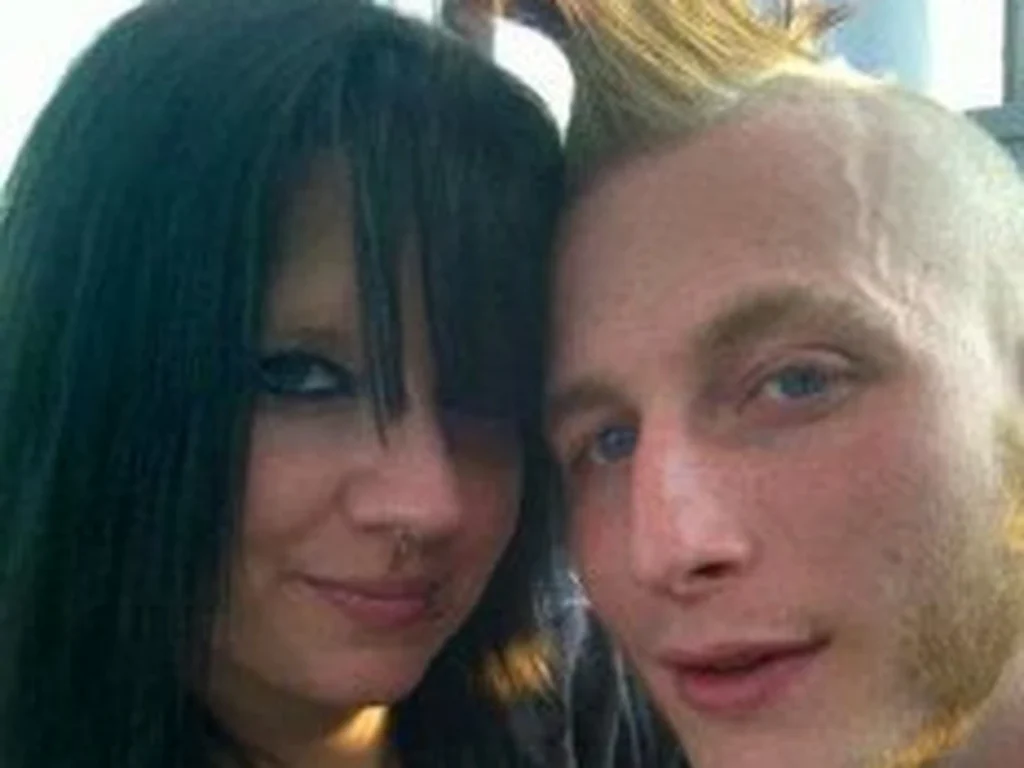
Victoria was charged with second-degree murder while Blake was charged with first-degree murder. Each pleaded guilty which avoided a trial & they each submitted a statement of facts which they signed on April 22, 2015, a little over one year after they murdered Loretta.
For Blake’s guilty plea for first-degree murder, he was given a life sentence with a chance for parole after 25 years, the mandatory sentence for first-degree murder in Canada. As for Victoria, she would serve only ten years before she was eligible for parole.
In the fall of 2024, Victoria was granted a 30-day unescorted temporary absence to allow her to prepare for her eventual life on the outside. However, when she used a phone to access the internet, she violated her release conditions. She also began talking about suicide. When she was confronted about these issues, the board indicated that she was very dismissive. With this, her temporary absence was revoked on Christmas Eve 2024.
According to prison documents, Victoria has converted to Wiccan beliefs while behind bars & has manipulated fellow residents into ordering her items from Amazon. She also encouraged them to Google her horrific crime & hid a phone in her roommate’s pillowcase at her halfway house before erasing its contents.
According to parole documents, Victoria was born to a heroin-addicted mother & starting at age four, she bounced between foster homes. Her childhood was incredibly tumultuous & involved sexual abuse. She has since been transferred back to her minimum-security cell in Ontario where she’ll continue serving her life sentence.
Indigenous women & girls are more vulnerable & at risk of violence due to a history of oppression, development policies that ignore their needs. The fact that the vast majority of these women will never see their abusers or rapists brought to justice because of a lack of adequate federal response is extremely alarming to indigenous women. On some reservations, indigenous women are murdered at more than ten times the national average.
This was an issue & a topic that Loretta Saunders had been exceptionally passionate about before her own violent death in 2014. She was dedicated to shedding light on these issues & fighting for the safety of Indigenous women before becoming a victim herself.
Loretta’s death was utterly tragic, but she didn’t die in vain as her story continues to inspire people to fight for change. Her family, friends & countless advocates across the country continue to keep her legacy alive. Her story is a reminder that a lot of work still needs to be done in order to protect Indigenous women & to ensure that their voices are heard.
References:
- Wikipedia: Inuit
- Government of Canada: Inuit
- Wikipedia: Halifax, Nova Scotia
- R. v. Victoria Henneberry s. 235 Agreed Statement of Facts
- Medium: The tragic death of Loretta Saunders
- R. v. Blake Leggette s. 235 Agreed Statement of Facts
- CBC: Woman convicted in murder of Loretta Saunders loses leave privileges
- Daily Mail: Outrage as killer ‘witch’ is given 30-day ‘vacation’ from prison
- Government of Canada: Missing & murdered Indigenous women & girls
- Assembly of First Nations: Ending the critical situation of violence, disappearance & murder of First Nations women, girls & gender-diverse people
- Government of Canada: Understanding Indigenous women & girls’ experiences with victimization & violence
- Indian Law Resource Center: Ending violence against native women
- Inuit Tapiriit Kanatami: About Canadian Inuit