Watch on YouTube. Listen on Apple or Spotify.
It was mid-day on Halloween in 2001 when a 36-year-old man approached the door of his apartment in a Toronto neighborhood known as Gay Village. Before he could make it inside, a man approached him from behind, brutally beating him over the head with a pipe in a completely unprovoked attack that left him with a fractured skull & an injured hand as he attempted to protect his head from the blows.
Although his attacker was arrested after he turned himself in, he didn’t serve a single day behind bars despite the fact that he could have spent as many as ten years in jail.
Moving forward eleven years to 2012, this same man was brought in for questioning after men began vanishing from Gay Village. Since his prior attack came up as only a minor assault in which he served no jail time, his criminal record raised no red flags for authorities & he was never considered a suspect despite being linked to three of the three missing men.
Six more years would pass before he was arrested in 2018 at a time when eight innocent men had been murdered, leaving many to wonder how many lives could have been saved had the Toronto Police Service (TPS) taken his 2001 assault more seriously.
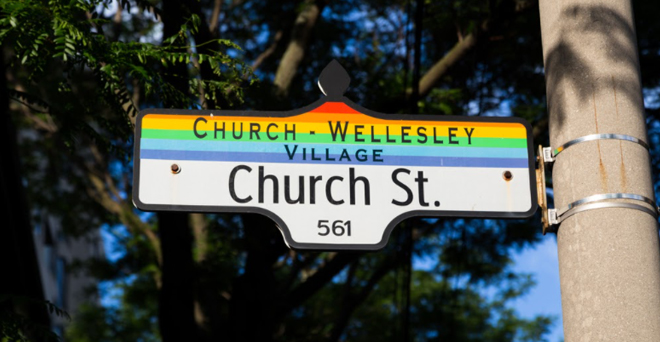
It was just after noon on Halloween 2001 when 36-year-old Mark Henderson got back to his apartment after walking home alone through Church & Wellesley, a neighborhood in Toronto known as Gay Village. The area is home to a community center, parks, bars, restaurants & stores catering to the LQBTQ+ community.
As Mark began to open the exterior door of his apartment building, a man came running up behind him. Thinking he was heading toward the rental office just down the hall, he held the door for him.
Not thinking another thing about it, Mark approached the interior door to his apartment & when he turned to unlock it, he suddenly felt a terrible whack to the back of his skull. Stunned & having no idea what just happened, he whipped around in excruciating pain & saw the same man; his face was twisted in rage as he held a pipe above his head, smashing it down at him over & over.
As Mark held his hand to the back of his head, he could feel that his skull was caved in where he’d been struck repeatedly. Since he had a nursing background, he knew that the moisture that poured from the wound was cerebral spinal fluid as well as blood.
Mark knew that he was close to losing consciousness & if he did, he was sure the man would kill him. By the time he managed to scramble into his apartment & dial 911, the man had fled from the building. The entire frenzied attack had begun & ended in only a matter of minutes, if not seconds.
Not only had he suffered a compound fracture to the back of his skull, but Mark’s hand had also been injured while his finger had been broken when he tried to protect his head from the blows. During the six weeks he needed rehab after the attack, he moved in with his sister for the added support.
Mark had recognized the man who attacked him as 50-year-old Bruce McArthur since they’d previously crossed paths within the tight-knit Gay Village. Although he’d never had any direct issues with him, for whatever reason, he felt unnerved by Bruce’s presence & intentionally kept his distance from him.

After McArthur left Mark’s apartment, he went directly to the TPS to turn himself in, telling officers that he & Mark had previously been in a sexual relationship, something that was untrue. He was arrested & charged with weapons dangerous, assault with a weapon & assault causing bodily harm.
Throughout more than two decades of marriage to Janice Campbell that resulted in a son & a daughter, Bruce McArthur had been living a lie, presenting himself as a mild-mannered family man. Sometime in the early 1990s, he came out to his wife as gay, but they didn’t officially separate until 1997.
In 2003, after he moved out, he began working as a self-employed landscaper. During the holidays, he made floral gifts for charities & volunteered as Santa Claus at the mall.
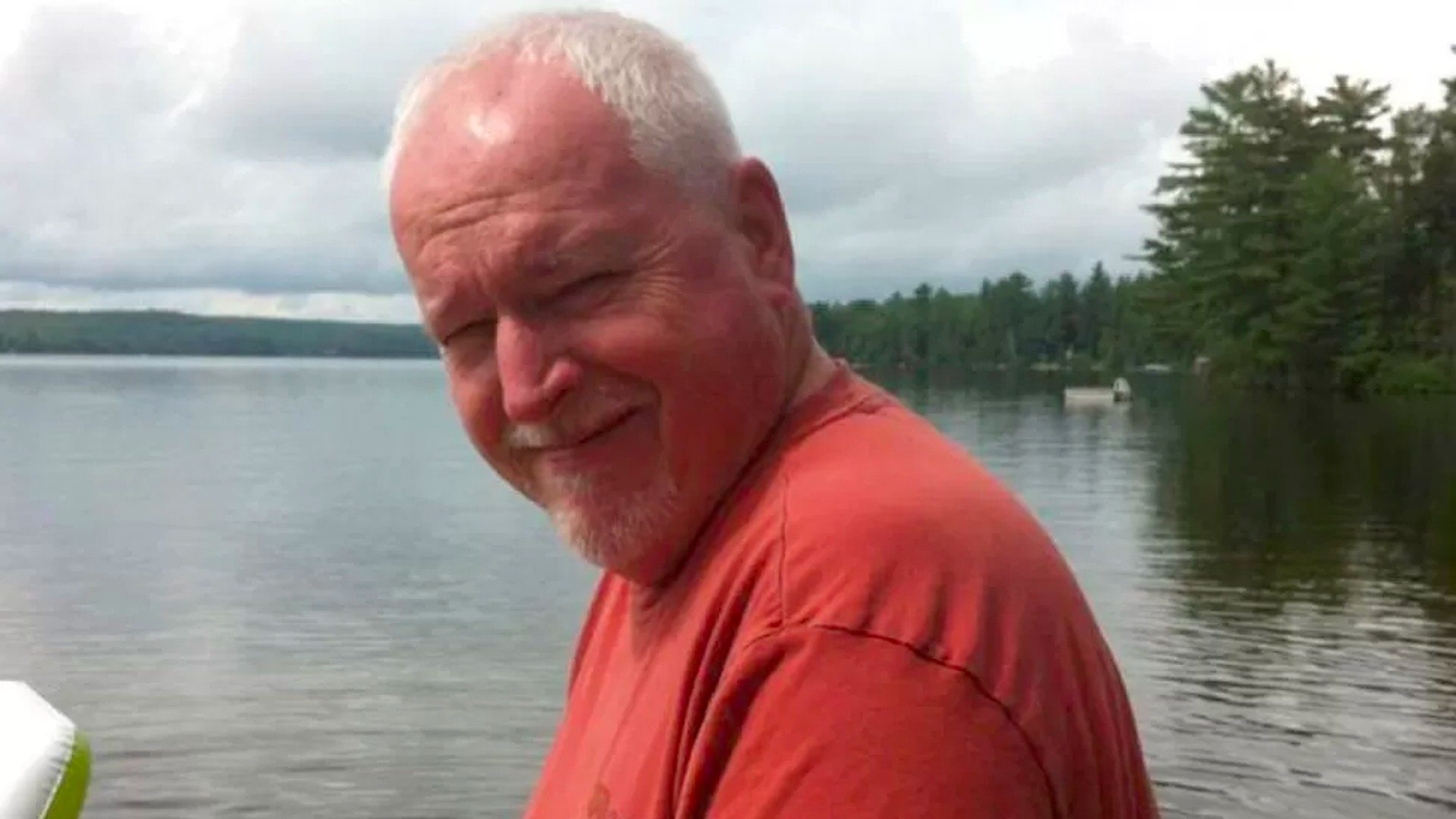
He was the kind of person whose Facebook page was littered with recipe videos, cat pictures & photos of his children, grandchildren as well as himself dressed as Santa Claus. It all painted a picture of a good-hearted man who maintained close ties to his family, vacationed & regularly socialized.
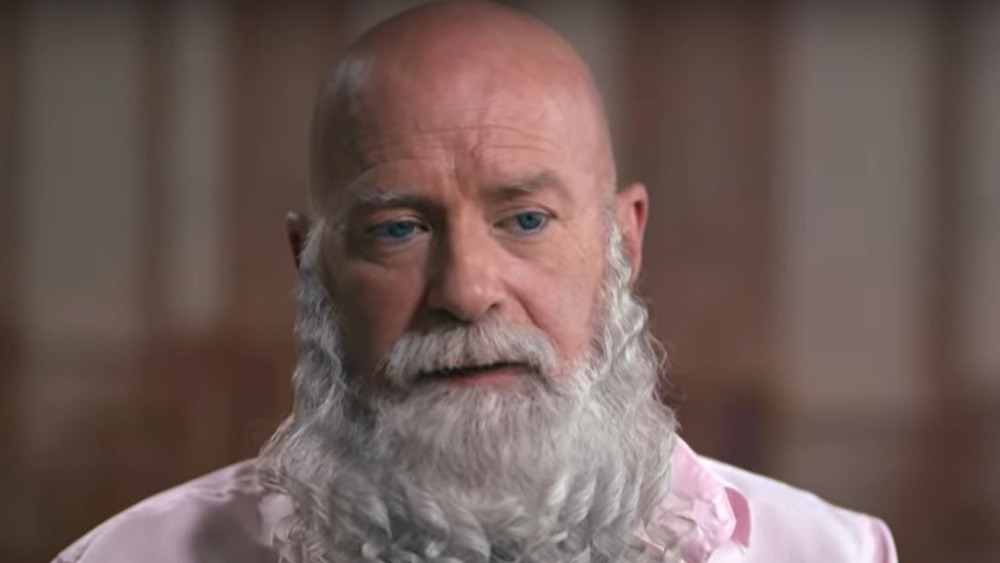
When McArthur went to trial in 2003 for the 2001 attack against Mark Henderson, Mark remained unnamed, only referred to in the court documents as a male hustler, which is an outdated term for a sex worker. There was no mention that he worked as a nurse, an actor & a model. When he was attacked in 2001, he had been 10 years sober, working tirelessly to turn his life around. He believes that police officers brushed the attack off as nothing more than two guys fighting on Halloween.

The tone of the trial was one of victim blaming. The judge accused Mark of foolishly letting McArthur through the back door of his building which may have led him to view it as an invitation for sex. This failed to not only explain why he had brutally attacked him, but McArthur also admitted that he & Mark had never had a sexual relationship.
McArthur pleaded guilty & apologized for the pain & anguish he caused Mark, saying his life had been a mess in the last year & a half, but he never offered any explanation as to why he did what he did. He claimed to have blacked out shortly after entering Mark’s apartment, saying he couldn’t recall certain events from that day. However, a psychiatrist found no sign of mental health issues that could have contributed to a blackout or prompted him to attack Mark.
According to the psychological report, McArthur was unlikely to reoffend, describing him as characteristically passive & indecisive. It did go on to say that his overt cooperativeness may hide strong rebellious feelings that may occasionally break through.
During the sentencing, the judge told McArthur that he’d made a mistake on the day he attacked Mark, but it otherwise sounded like he was a pretty good person who was unlikely to be back in court again. Although he could have been sentenced to up to ten years in prison, he was only given house arrest & probation as well as a two year ban from entering the Gay Village.
Seeing this punishment as nothing more than a slap on the wrist, Mark felt re-traumatized all over again. He decided to turn his frustration into action, becoming a volunteer auxiliary police officer from 2007-2009 after graduating valedictorian of his class. It was his way of building connections between police & the gay community, including during the annual pride parade.
When men began vanishing years later in 2010, Mark’s mind instantly went to Bruce McArthur. As the number began to grow, he became outspoken, voicing his suspicions to fellow officers. These men fit a certain profile; they were mainly of color, middle-aged & new to Canada.
40-year-old Skandaraj Navaratnam, known to his friends as Skanda, was an immigrant from Sri Lanka who vanished on Monday, September 6, 2010 after he was last seen leaving Zipperz, a bar in the Village. He was reported missing ten days later on September 16. According to his friends, to know Skanda was to love him since he was a charismatic guy who loved to laugh.
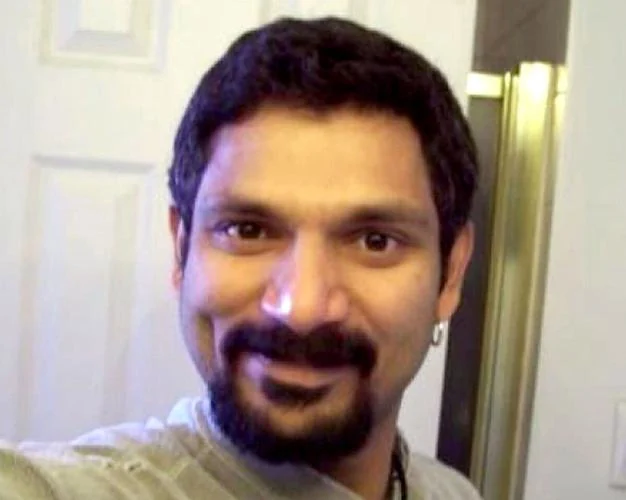
After he met McArthur in 1999 they worked together in landscaping & started dating sometime in the early 2000s. His friends told authorities that he wasn’t someone who would leave without telling them, especially since he’d left the French bulldog puppy that he’d just adopted at home alone. He also hadn’t taken any belongings with him & all of his online activity suddenly ceased despite the fact he was normally active on social media.
Three months later, 44-year-old Abdulbasir Faizi was last seen on the night of Wednesday, December 29, 2010 when he went to a burger bar & a sauna in the Village. He was a man of Afghan origin, who immigrated to Canada with his wife & two daughters. He told his wife that he was at work & he would be home later that night, but he never came back, leaving his passport behind. He was reported missing the following day.

Like many of the men who ended up going missing, Abdulbasir had been living a secret life. In the aftermath of his disappearance, his wife was shocked to learn how he’d spent his last known moments. His Nissan was found days later on January 4, 2011 in an area where McAruthur stored his landscaping tools.
One year later, 58-year-old Majeed Kayhan was last seen by his family on Sunday, October 14, 2012. Like Abdulbasir, he was an immigrant from Afghanistan who had been living a secret life. When he went missing, his relationship with his wife had ended & he was living near the Gay Village. It wasn’t until a month after his son reported him missing that police learned of his connection with the LGBTQ+ community.
Despite the fact that his marriage hadn’t worked out, his nephew indicated that he had maintained a good relationship with his children as well as his ex-wife. Although he was living with a man, his family viewed him as Majeed’s roommate, adamantly denying that he was gay.
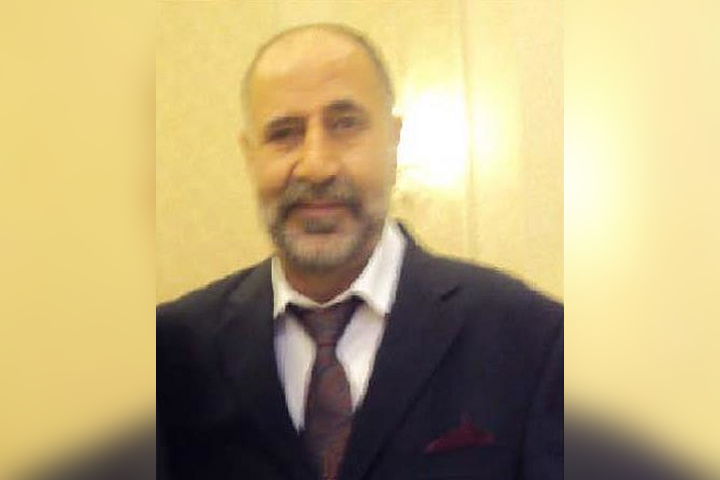
Although he left his two birds unattended & there was no evidence that he’d made plans to leave, as had been the case with Skanda & Abdulbasir, his disappearance was treated with no sense of urgency.
Now that three men were missing, the TPS set up a task force in November 2012 called Project Houston to look into their cases. There was no denying that these men were incredibly similar to one another in terms of age, sexuality, ethnicity & bars frequented.
The task force was initially launched after the Swiss authorities shared a tip with the TPS, suggesting a cannibal ring was targeting victims around the globe & that one of its members was responsible for Skanda’s death. By June 2013, the TPS formally concluded that the cannibal ring was entirely false.
By September 2013, investigators knew that MacArthur was connected to Skanda & Majeed through work & now they were able to also connect him to Abdulbasir.
When Project Houston investigators were looking through Abdulbasir’s notebook in February, they saw he had written down the username, silverfoxx51. It wasn’t until seven months later when they discovered this same username buried in Skanda’s deleted computer contacts alongside a cell phone number that was traced back to Bruce McArthur.

On November 11, 2013, Bruce McArthur was brought in for questioning. During a 16-minute videotaped statement, he told officers that Majeed Kayhan had worked for him in landscaping for about a month. Although they had a sexual relationship, he said he ended things between them. He described his relationship with Skanda as a friendship, denying that they had been involved sexually. He also confirmed that his email address was silverfoxx51@hotmail. Despite the fact that Abdulbasir had this written in a notebook, he denied recognizing him when he was shown his photo.
Since the TPS didn’t check McArthur’s criminal record before interviewing him, they were unaware of his 2003 assault conviction, which still appeared in his criminal record at this point in time. It wasn’t until June 3, 2014 when he was granted a formal record suspension, which hides a person’s criminal history from public background checks, effectively removing it from the Canadian Police Information Centre (CPIC) database.
Despite his violent criminal record paired with the fact he was connected to three out of three of the missing men, McArthur was released & not considered a suspect for five more years in which five more men went missing.
After 18 months of operation, Project Houston was officially shut down in April 2014 after investigators failed to find definitive evidence of foul play associated with the three disappearances.
Two years later, 50-year-old Soroush Mahmudi was reported missing by his wife after he vanished on August 15, 2015. He & his wife left their home in Iran for Turkey in 1991 before eventually settling in Canada. Police didn’t initially connect Soroush to the Gay Village, which made them question if his case was connected to the previous three.
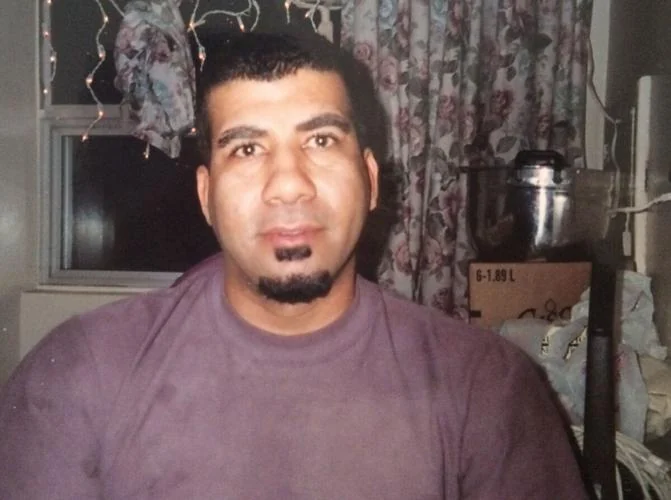
That same month, 37-year-old Kirushna Kumar Kanagaratnam suddenly stopped contacting his family. He immigrated to Canada from Sri Lanka in 2010 on a ship carrying nearly 500 Sri Lankan asylum seekers. Since his family thought he was in hiding after the Canadian government rejected his refugee application, they didn’t report him missing. He was the only victim with no clear ties to the Village.

Eight months later, 47-year-old Dean Lisowick vanished sometime in April 2016, but like Kirushna Kumar, he was never reported missing. He worked in the sex trade & often stayed in homeless shelters throughout Toronto. Although he battled mental health issues, his cousin indicated that whenever he spoke of his daughter, his face always lit up. Before he vanished, he had been hoping to get his life together so he could do more for her.

Two months later on June 20, 2016, police received a 911 call from an unnamed male caller who indicated that someone had just tried to strangle him to death in his van in a Tim Horton’s parking lot, naming his attacker as Bruce.
According to the man, who is being called Issac, after he met the man he only knew as Bruce online sometime around 2011, they had an on-and-off relationship for years. When they met up on the night of the attack, Bruce insisted that he get inside his red van. The seat behind the driver’s seat had been removed so there was room to lie down while a plastic sheet lined the floor.
As he laid down, Bruce suddenly grabbed Issac’s neck with such force that he could feel his eyes bulging. His previously smiling face suddenly transformed into an angry scowl as he strangled him to the point that he couldn’t breathe. After Issac was able to break free & escape the van, he called 911, but the police never followed up with him about the attack.
As had been the case fifteen years earlier in Mark Henderson’s attack, Bruce McArthur turned himself in after strangling Issac, but this time he told authorities that it had been nothing more than a lover’s quarrel. He was arrested, but because they believed him, no charges were filed.
At the time, officers viewed him as a 64-year-old man with no prior violent history since by this time, his criminal record wasn’t visible after he’d gotten a pardon shortly after he was questioned in 2013 in relation to the initial three missing men.
Less than one year later, 44-year-old Selim Esen, a Turkish immigrant who came to Canada in 2013, was reported missing on April 16, 2017 after he disappeared from his home near the Village.

His brother described him as a curious, kind-hearted man who had overcome struggles with addiction & was hoping to help others within the community. Since he spoke with his friend on a daily basis, when he failed to respond to a text, he was reported missing.
Two months later, 49-year-old Andrew Kinsman, who was an active member of Toronto’s gay community, was last seen in the city’s Cabbagetown neighborhood one day after the pride parade on June 26, 2017. His family reported him missing after they were unable to reach him & realized he’d left his 17-year-old cat unattended at home. Andrew & Dean Lisowick were the only two men of the eight who were not of Asian descent.
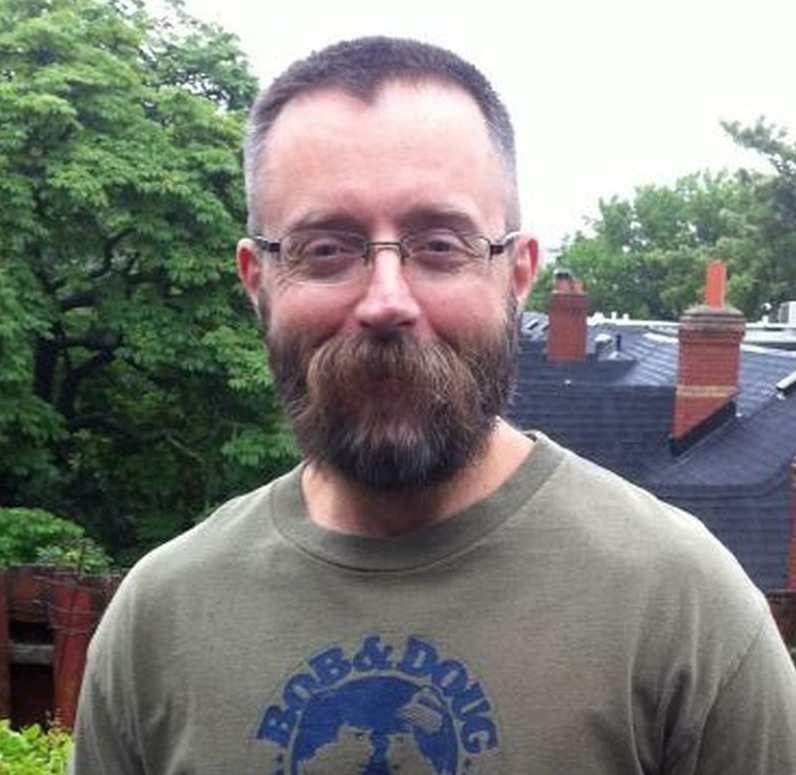
Over the span of seven years between 2010-2017, eight men had vanished. Not only had Mark Henderson called a tip line naming Bruce McArthur as a potential suspect, but he also had a conversation with a police officer during a community town hall meeting that was held about the missing men.
Andrew’s disappearance served as a catalyst for the TPS launching Project Prism on August 14, 2017. Despite the fact that officers had obtained footage from Andrew’s apartment for the day he went missing as early as June 30, 2017, the footage wasn’t reviewed for nearly two months.
When his apartment was searched on August 16, officers found the name Bruce written on his calendar under June 26, the date he was last seen, with a meeting time of 3 pm. When the footage from Andrew’s apartment was finally reviewed from that day on August 23, it depicted him leaving his apartment at 3:07 pm & getting into a red 2004 Dodge Caravan.
They learned that there were five area men named Bruce who owned this specific make & model vehicle, while only one owned a 2004 model, Bruce McArthur.
After he was connected to the June 2016 choking incident involving the man referred to as Issac, he officially became a person of interest. When police obtained surveillance from his apartment, they confirmed that the van belonged to him, but it was no longer at his residence.
After it was eventually found at an auto-wrecking yard in Ontario, forensic testing was conducted between October 30 & November 23, 2017. Blood & semen was found inside that was a match to the DNA profiles of both Andrew Kinsman & Selim Esen.
This evidence allowed a judge to grant a warrant to covertly search McArthur’s apartment & to clone his computer & other devices on December 5, 2017.
During the search two days later on December 7, only 45% of his computer hard drive was able to be downloaded before they had to leave. They also took a DNA swab of an orange stain on McArthur’s pillow, as well as a 7-9 inch metal bar that was wrapped in tape & they copied information on post-it notes with website account names & passwords.
The following day, on December 8, 2017, the TPS made a public statement that Selim Esen & Andrew Kinsman’s disappearances were unrelated to the initial three men who were investigated by Project Houston, Skanda, Abdulbasir & Majeed, who vanished between 2010-2012. They also felt there was no evidence to suggest that a serial killer was involved.
As the content of McArthur’s computer was analyzed, investigators saw that it contained hundreds of photos of Andrew Kinsman dating as far back as 2007. They ended up finding photos of all eight missing men, including graphic postmortem photos that depicted six of his eight victims. This included 18 photos that were taken of Andrew’s body posed in two different positions, including one with a rope around his neck that was attached to a metal bar. Although they had been deleted, they were recovered through forensic analysis.
In some of the photos, the victims were posed wearing a fur coat, while others had a cigar placed in their mouths. One victim’s head had been partially shaved.
Later in the investigation, police also found forensic digital evidence of a USB drive with a folder connected to each victim that was given a nickname. The folder for Selim Esen was named Turkish Guy while those for Soroush Mahmudi & Kirushna Kumar Kanagaratnam were named 4 & 5 since they were the fourth & fifth victims killed. They had been assigned numbers since McArthur hadn’t even known their names.
When police followed him between September 5 to November 7, 2017, they recovered the trash he disposed of at a coffee shop in order to get his DNA.
In the 15 days prior to his January 18, 2018 arrest, he was placed under 24/7 surveillance. When police watched him bring a man into his apartment, they immediately intervened, finding the man, who they identified as John, naked & bound to his bed against his will.
A ninth folder was found on McArthur’s computer that was titled John that contained photos of the man handcuffed to his bed. Jewelry was also found inside his apartment that belonged to some of the victims while the fur coat that was depicted in some of the photos was found in his new van. A metal bar recovered from his new van contained DNA evidence belonging to some of the victims.
When police announced that McArthur was arrested that day in connection to the murders of Andrew Kinsman & Selim Esen, they said they believed he was responsible for the deaths of other men as well.
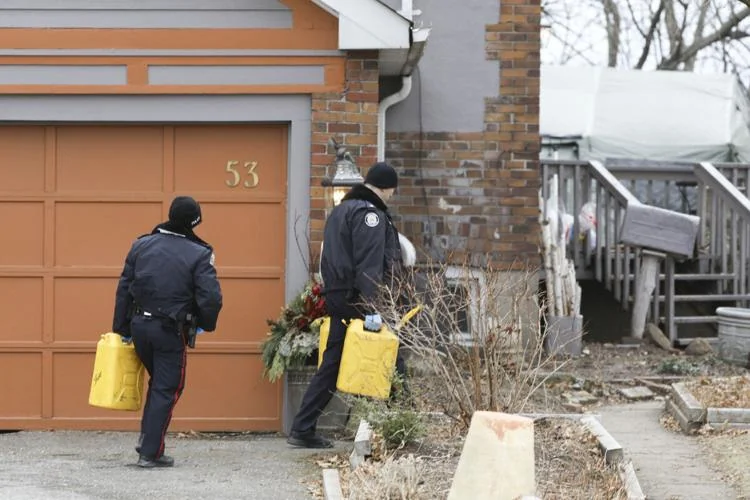
That same day, police interviewed the homeowners at 53 Mallory Crescent, Karen Fraser & Ron Smith, who indicated that McArthur had stored his landscaping equipment in their garage for the past decade in exchange for lawn care. He had keys to their property & he would go to their house about two-three times a day while they spent much of the summer months at their cottage elsewhere. Over the years, they had seen him working with younger men of Middle Eastern descent.

When their property was searched between January 18-20, 2018, cadaver dogs alerted to five large planter pots in the backyard. Authorities found portions of seven dismembered bodies inside these planters that belonged to Skanda Navaratnam, Abdulbasir Faizi, Soroush Mahmudi, Kirushna Kumar Kanagaratnam, Selim Esen, Dean Lisowick & Andrew Kinsman.
On January 29, 2018, McArthur was charged with three additional counts of first-degree murder in the deaths of Soroush Mahmudi, Majeed Kayhan & Dean Lisowick while officers confirmed that more victims may be identified. Although Majeed Kayhan’s remains were not one of the seven recovered, investigators had evidence that connected him to McArthur.
The following month on February 23, 2018, he was charged with the first-degree murder of Skanda Navaratnam.
By mid-April of 2018, he was also charged with two additional murders in the deaths of Abdulbasir Faizi as well as Kirushna Kumar Kanagaratnam, bringing his total to eight counts of first-degree murder.
Moving forward to July 2018, police launched a major excavation of the forested ravine directly behind the home on Mallory Crescent, which was when an eighth body was found that belonged to Majeed Kayhan.
Medical examiners determined that three of these victims had died from strangulation while the causes of the other five deaths were unknown.
When Karen Fraser & Ron Smith allowed Bruce McArthur to store his landscaping supplies in their garage ten years earlier, they had been doing a good deed for a friend’s brother. In exchange for the space, he would tend to their yard, bringing planters full of flowers to their backyard, saying he liked to admire them while he & his crew ate lunch there.
Never in their wildest dreams could Karen have ever imagined that the planters contained the remains of seven of the missing men. She said she had never seen a hint of anything sinister in McArthur; no anger, no temper, nothing. The couple was barred from their home for 22 days while the entire property was searched. They were re-traumatized when officers came back six months later, only to find the remaining victim.
Since the bodies of the eight men have been recovered, Karen & Ron have made changes to their home in honor of the victims, lighting a lantern on their porch each night. A local artist also painted a lyric, We are One, from the song Nothing More by the band The Alternative Routes. They also held a cleansing & blessing ceremony at the property.
Since Karen’s father purchased the home decades previously, although they’re still processing that it’s connected to the murders, they have no intention of leaving.
Not only had Mark Henderson, Issac & John been lucky enough to escape death at the hands of McArthur, but so had another man named Sean Cribbin. Sean met McArthur on an online hookup app in July 2017 where McArthur utilized the user name Silver Fox, describing himself as a leather daddy, writing that he likes to push a guy’s limit so they go over the edge. When Sean traveled to McArthur’s Toronto apartment, the plan was to meet up for sex.
After he used the drug Gamma-Hydroxybutyric acid, otherwise known as GHB, he passed out for about twenty minutes. When he woke up, McArthur was standing there, staring at him. He had no way of knowing that this encounter happened less than one month after McArthur had killed his eighth victim.
Some time after this incident, a detective contacted Sean after he found an image of him on McArthur’s hard drive. In the image, Sean wore a hood over his head & duct tape over his eyes while McArthur pressed a pipe against his throat as he snapped the photo, something that happened during the twenty minutes he had been unconscious.
Like many cities, GHB or liquid G, is readily available & utilized recreationally by some to lower one’s inhibitions. It has no taste or smell & can easily lead to black outs. Many times it’s used consensually, but McArthur was known to have used the drug with at least some of the men he targeted.
Another man known only as Joey had gone to McArthur’s apartment to use GHB & have sex with him, saying that McArthur had liquid G for both of them. During their time together Joey felt uneasy since McArthur was peppering him with questions, asking him how close he was to his family & if he had brothers or sisters. Looking back, he realizes he was likely trying to determine if he would be missed if he vanished.
He started to feel uneasy when he saw a lack of life in McArthur’s eyes during their time together, so he told him he wasn’t feeling well & quickly left.
It appeared that McArthur had taken a break between between late 2012 & August 2015 as there were no disappearances linked to him during this timeframe. Project Houston was launched during this time & he’d been brought in for questioning which likely scared him into halting his activities to avoid drawing attention while the task force was active.
During this time he was also actively working to wipe his legal slate clean from his 2003 conviction for Mark Henderson’s attack. He was also likely trying to cover his tracks as in late 2013, he completely disposed of his old vehicle & purchased a Dodge Caravan.
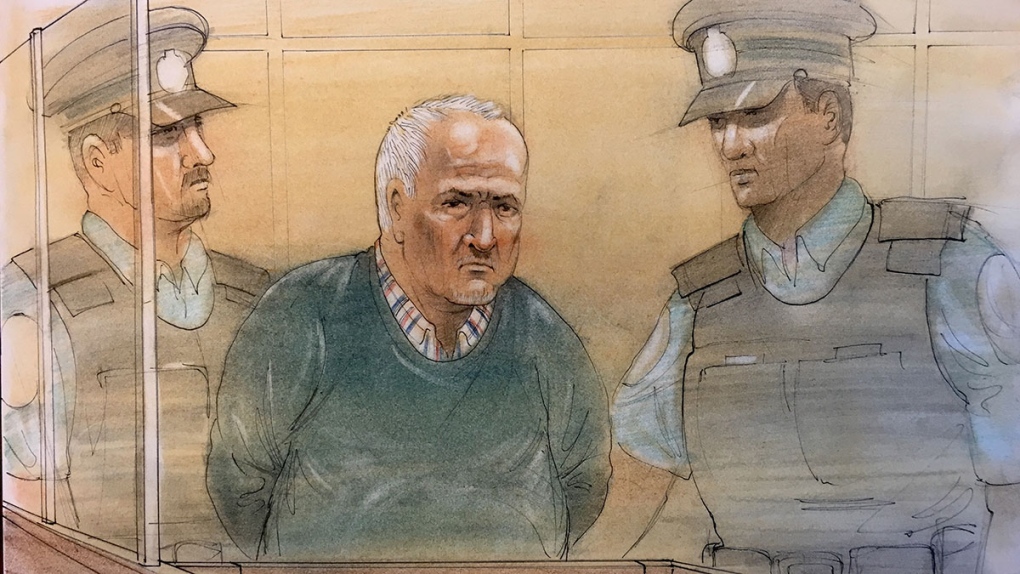
On January 29, 2019, one year later after his arrest, Bruce McArthur pleaded guilty to a total of eight counts of first-degree murder. Ten days later on February 8, 2019, the 67-year-old was given eight concurrent life sentences with no parole eligibility for 25 years. He will be first eligible for parole in 2044 when he’s 91-years-old.
After his January 2018 arrest, there was an outcry from Toronto’s gay community since McArthur had been able to remain undetected, continuing to kill innocent men over the course of seven years despite his encounters with the police as well as links to some of the missing men. There were accusations against the TPS that things hadn’t been handled differently because of homophobia as well as racism.
When some members of the force voiced their concern that a serial killer could be responsible, their colleagues laughed at the suggestion. One female officer who was working for the Ontario police force, Marie-Catherine Marsot, left a voicemail with the TPS about her belief that a serial killer could be involved, but no one called her back. Growing frustrated, she sent a formal email, highlighting the parallels between two men who were missing from Toronto’s Gay Village, both of whom were brown-skinned. Once again, she got no response.
According to the TPS, there is no record of this correspondence. McArthur then went on to murder six more men after the fact.
An independent review of TPS’s handling of missing person cases, specifically regarding Bruce McArthur, found serious flaws in the investigation & the need for better handling of missing person cases. The review was led by former Ontario Court of Appeal Justice Gloria Epstein, who concluded that institutional & systemic bias, shaped by misconceptions, stereotypes & homophobia, contributed to a failure to take the disappearances seriously for years. Police continued to dismiss concerns that a serial killer could be operating in the Gay Village.
It also focused on the need for the building & strengthening of relationships between the TPS & the communities they serve, particularly the marginalized & vulnerable. The review also recognized the good work of individual officers, concluding that the deficiencies found were not intentional discrimination.
As a result of this case, a unit dedicated to the investigation of missing persons was formed. At the time men were vanishing, Toronto was one of the only major cities in Canada without a dedicated unit.
For years, Bruce McArthur lived what appeared to be an ordinary life. He was a father, a grandfather, a landscaper & a mall Santa during the holidays, living in the same community as many of his victims. Hidden behind his harmless exterior was a man capable of unimaginable cruelty.
Perhaps one of the most disturbing aspects of this case is just how long he was able to get away with it. Between 2010-2017, eight innocent men lost their lives, men who had families, friendships, hopes & futures that were stolen from them.
This case also raises some difficult questions about whose disappearances received attention, whose concerns were taken seriously & whether more could have been done to stop McArthur before additional lives were lost.
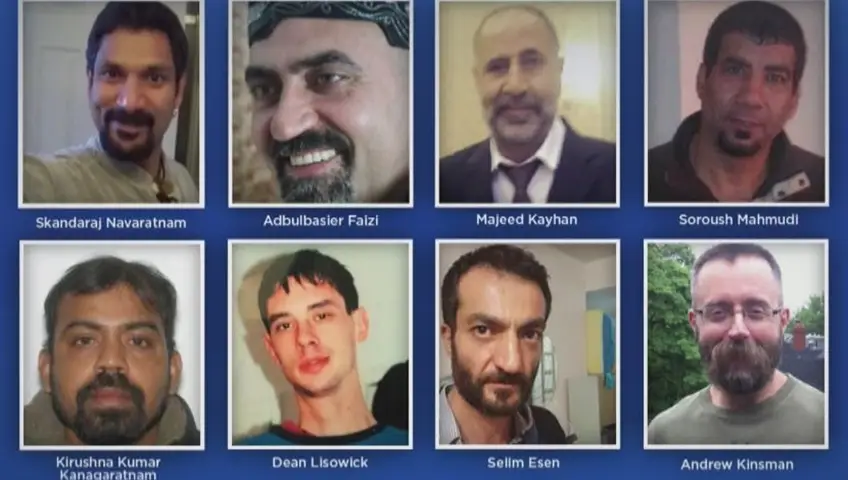
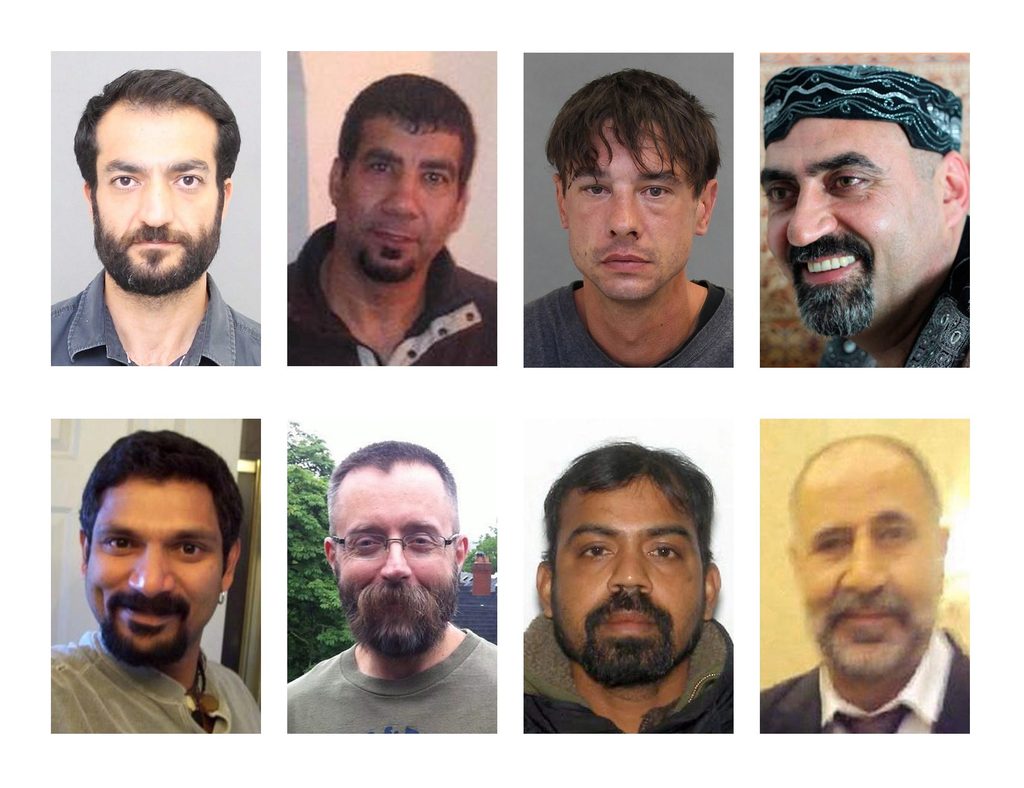
Although Bruce McArthur’s name is at the center of this horrifying case, it’s the eight men he killed who deserve to be remembered: Skanda Navaratnam, Abdulbasir Faizi, Majeed Kayhan, Soroush Mahmudi, Kirushna Kumar Kanagaratnam, Dean Lisowick, Selim Esen & Andrew Kinsman.
References:
- Wikipedia: Church & Wellesley
- CTV News: The Bruce McArthur victim who no one took seriously might have stopped a serial killer
- YouTube: W5: Victim 1 – The first known survivor of serial killer Bruce McArthur
- YouTube: ENDEVR: Village of the missing: The victims of Bruce McArthur
- National Post: Who was Bruce McArthur’s sixth alleged victim? When ‘Skanda’ vanished his friends knew he’d never abandon his puppy
- CBC: ‘There was never a hint’ anything was wrong, says owner of home tied to Bruce McArthur investigation
- CBC: ‘We were all betrayed’ by Bruce McArthur, says victim’s friend
- CBC: What we know so far about alleged serial killer’s victims
- CBC: How police may have missed a chance to catch serial killer Bruce McArthur in 2013
- CBC: Family of Andrew Kinsman, who disappeared near Toronto’s Gay Village, ‘want the details’ of how he died
- CBC: Family of Bruce McArthur’s latest alleged victim thought he was in hiding, after refugee status rejected
- CBC: Toronto police knew serial killer Bruce McArthur linked to 3 of his victims in 2013: court files
- CBC: Man who disappeared from Toronto’s Gay Village ‘led a double life,’ wife learned
- CBC: Psych report on alleged serial killer Bruce McArthur indicated ‘no signs of psychopathy’
- BBC: Bruce McArthur: Gay village serial killer gets life sentence
- BBC: Bruce McArthur: How a shopping mall Santa became a notorious serial killer
- BBC: Bruce McArthur: Who were Toronto serial killer’s victims?
- The Canadian Encyclopedia: Bruce McArthur case
- Ontario Court of Justice Her Majesty the Queen v. Bruce McArthur
- Global News: ‘He was going to kill me’: Man describes escaping Bruce McArthur’s van following attack
- Global News: How police caught serial killer Bruce McArthur, according to the agreed statement of facts
- CP24: Timeline in the case of Toronto serial killer Bruce McArthur
- CP24: The eight men who were murdered by serial killer Bruce McArthur
- Missing & Missed: Report of The Independent Civilian Review into Missing Person Investigations
- Medium: Canadian serial killer Bruce McArthur & his plant pot graveyard